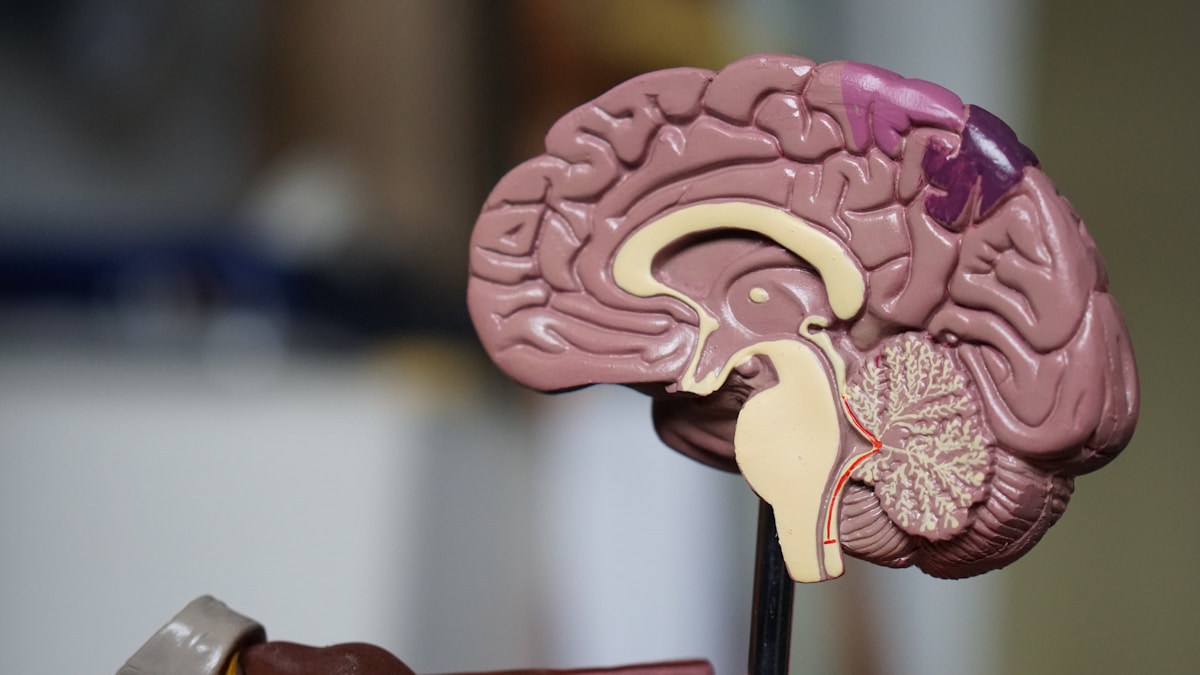

The relationship between what you eat and how well you think is not metaphorical. The brain is a metabolically voracious organ — it constitutes approximately two percent of body weight but consumes roughly twenty percent of total caloric intake. It is exquisitely sensitive to fluctuations in blood glucose, to the availability of specific fatty acids and amino acids for neurotransmitter synthesis, to the inflammatory environment created by dietary patterns, and to the microbial community in the gut whose metabolites cross the blood-brain barrier and influence neurological function. Eating for cognitive performance is not about exotic superfoods or expensive supplements. It is about understanding which nutritional factors most directly influence how the brain functions hour to hour and year to year.
Blood Glucose Stability: The Foundation of Sustained Focus
The brain runs almost exclusively on glucose, and its function deteriorates rapidly when blood glucose falls. The cognitive consequence of blood glucose instability — the dips that follow high-glycaemic meals, prolonged gaps between eating, or early morning hypoglycaemia — include reduced working memory, impaired attention, slower reaction time, and mood deterioration. The research on this is robust and consistent: cognitive performance tracks closely with blood glucose stability rather than absolute glucose level.
Practical strategies for glucose stability include: eating regular meals with low-glycaemic carbohydrates (oats, legumes, whole grain bread, brown rice) rather than high-glycaemic alternatives; always including protein and healthy fat alongside carbohydrate (both slow gastric emptying and glucose absorption); avoiding long gaps between meals (particularly in morning); and minimising ultra-processed, high-sugar foods that produce rapid glucose spikes followed by compensatory dips.
The Acetylcholine Connection: Choline and Cognitive Speed
Acetylcholine is the neurotransmitter most directly associated with memory formation, learning, attention, and the speed of neural processing. Its synthesis requires choline, a nutrient that most people do not think about because it has not received the public health attention of vitamins and minerals, despite being essential for brain function. The adequate intake for choline in adults is 425 mg/day for women and 550 mg/day for men. The primary food sources are eggs (one egg contains approximately 150 mg of choline — making eggs among the most brain-supportive foods available), liver, beef, salmon, chicken, soybeans, and cruciferous vegetables.
Choline deficiency is associated with non-alcoholic fatty liver disease and, pertinently for this discussion, cognitive impairment. Several studies have found associations between higher dietary choline intake and better cognitive performance and lower risk of dementia. Vegans avoiding eggs and animal products may be particularly at risk of choline inadequacy and should consider supplementation or deliberate emphasis on plant sources.

DHA: The Structural Fat Your Brain Depends On
Docosahexaenoic acid (DHA) constitutes approximately 15 to 20 percent of the total fatty acid content of the cerebral cortex. It is incorporated into neuronal cell membranes, where its unique molecular structure provides the fluidity needed for rapid signal transmission between neurons. When DHA is adequate, synaptic function is optimised. When DHA is deficient, membrane composition shifts toward less fluid fatty acids, synaptic plasticity deteriorates, and cognitive performance declines.
Multiple cross-sectional studies find that people with higher blood DHA levels consistently perform better on cognitive tests, have greater grey matter volume in brain regions associated with memory and executive function, and have lower risk of dementia. Intervention trials show cognitive benefits from DHA supplementation primarily in populations with existing low DHA status (older adults, those with mild cognitive impairment, vegans and vegetarians without algae supplementation). The brain health case for two to three servings of oily fish per week — or algae-derived DHA supplementation for those who do not eat fish — is among the strongest in nutritional neuroscience.
Polyphenols: Protecting Neurons and Growing New Ones
Polyphenols — the plant pigments responsible for the colours of berries, grapes, cocoa, green tea, and many other plant foods — cross the blood-brain barrier in meaningful quantities and have multiple neuroprotective mechanisms. They reduce neuroinflammation, directly relevant because chronic low-grade neuroinflammation is increasingly recognised as a central mechanism in both depression and neurodegenerative disease. They promote BDNF (brain-derived neurotrophic factor) production — often described as “fertiliser for the brain” because of its role in supporting the growth of new neurons and the maintenance of existing ones. They improve cerebral blood flow, which directly increases the delivery of oxygen and glucose to active brain regions.
A 20-year prospective study published in the American Journal of Clinical Nutrition found that people with the highest flavonoid intake (primarily from berries, citrus, and tea) had significantly better cognitive function and slower cognitive decline than those with the lowest intake. The Cocoa Supplement and Multivitamin Outcomes Study (COSMOS-Mind) found that daily cocoa flavanol supplementation significantly slowed cognitive aging in adults over 65 — one of the largest and best-designed trials of a dietary supplement’s effect on cognitive aging.
The Gut-Brain Axis: How Your Microbiome Shapes Your Mind
The gut produces approximately 90 percent of the body’s serotonin and significant amounts of other neuroactive compounds. Gut bacteria produce short-chain fatty acids, tryptophan metabolites, GABA, and other signalling molecules that communicate with the brain via the vagus nerve and systemic circulation. A dysbiotic gut microbiome — with reduced beneficial bacterial diversity and increased pro-inflammatory species — is increasingly associated with depression, anxiety, and cognitive impairment. The dietary factors that maintain a healthy microbiome (diverse plant fibre, fermented foods, reduced ultra-processed food) therefore also support brain health through the gut-brain axis.

Eating for cognitive clarity and long-term brain health does not require a perfect diet or expensive superfoods. It requires the consistent dietary patterns that support blood glucose stability (regular, balanced meals with low-glycaemic carbohydrates), provide DHA (oily fish or algae supplements twice weekly), ensure adequate choline (eggs, legumes), maintain microbiome diversity (30 plant foods weekly, fermented foods), and reduce neuroinflammation (limiting ultra-processed foods, emphasising polyphenol-rich berries, vegetables, olive oil, and cocoa). These principles describe an eating pattern that is practically achievable for most people, financially accessible in its whole food form, and supported by some of the most consistent evidence in nutritional science.