
How to Meal Prep for the Week: A Complete Beginner’s Step-by-Step Guide
We have all been there. It is 6:30 PM on a Tuesday, you are exhausted from a long day of work, and the last thing you want to do is figure out what to cook for dinner. You open the fridge, stare at a random assortment of ingredients, and inevitably end up ordering takeout or eating a bowl of cereal. This cycle of stress and poor nutritional choices is incredibly common, but it is entirely preventable. The solution? Meal prepping.
Meal prep — the act of planning, preparing, and packaging your meals in advance — is a transformative habit. It saves time, reduces stress, cuts down on food waste, and is one of the most effective strategies for maintaining a nutritious diet while adhering to a budget. However, for beginners, the idea of cooking a week’s worth of food in a single afternoon can feel overwhelming. Where do you even start? This comprehensive guide breaks the process down into manageable, actionable steps, ensuring you can conquer meal prep with confidence.
Step 1: Define Your Goals and Schedule
Before you chop a single vegetable, you need a plan. Start by defining what you want to achieve. Are you prepping to save money, eat healthier, lose weight, or simply regain your weeknights? Knowing your goal will influence your recipes and portion sizes.
Next, look at your calendar. How many meals do you actually need to prep? If you have dinner plans on Thursday and a lunch meeting on Wednesday, you do not need to prep for those times. A common beginner mistake is prepping too much food, which leads to waste and frustration. A good starting point is prepping just your weekday lunches, or perhaps three dinners. Start small to build the habit sustainably.
Step 2: Plan Your Menu
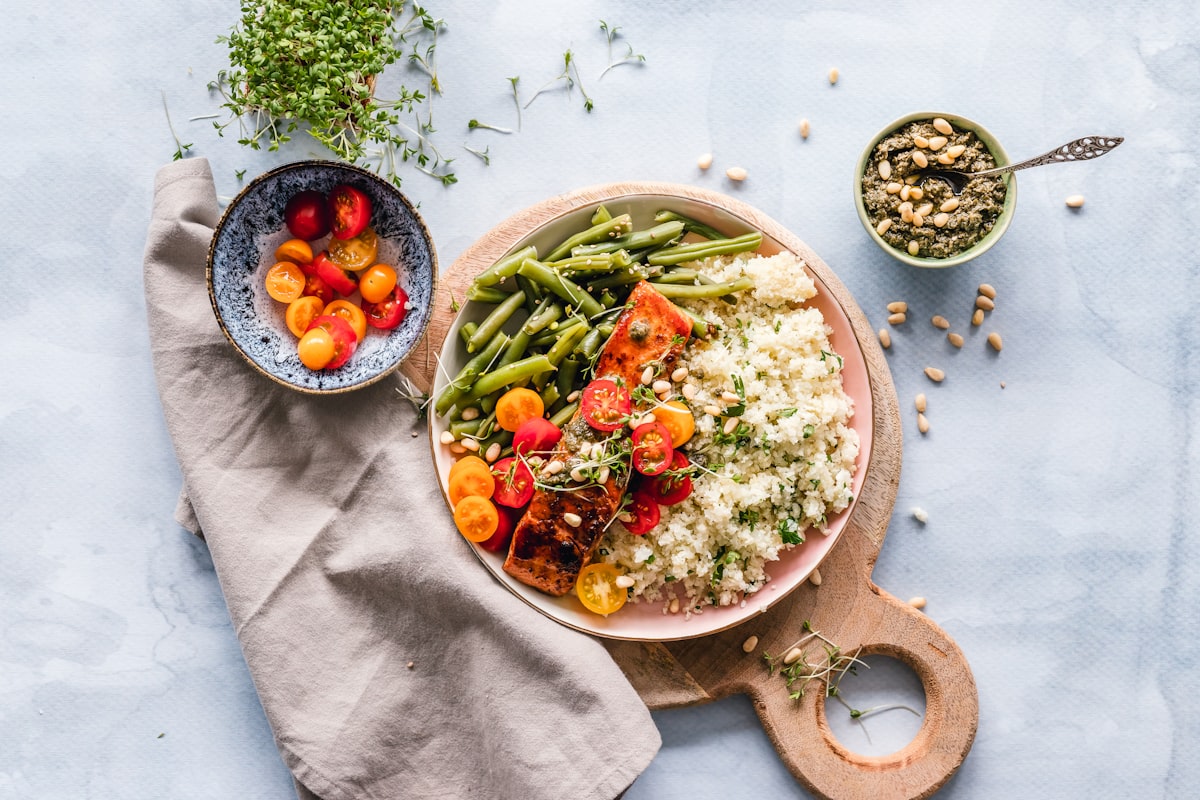
This is where the magic happens. Grab a notebook or open a digital planner and sketch out your meals. For beginners, the “formula” approach works best. Choose one protein, one complex carbohydrate, and two vegetables for each meal type.
- Proteins: Chicken breast, tofu, lentils, black beans, hard-boiled eggs.
- Carbohydrates: Brown rice, quinoa, sweet potatoes, whole-wheat pasta.
- Vegetables: Broccoli, bell peppers, spinach, zucchini, carrots.
Try to select recipes that share ingredients. If you are roasting broccoli for dinner, use the leftovers for a lunchtime salad. This cross-utilization saves both money and prep time. Keep recipes simple; you do not need to cook gourmet, multi-course meals. Sheet pan meals, slow cooker recipes, and one-pot dishes are your best friends.
Step 3: Create a Strategic Grocery List
Never go to the grocery store without a list, and never go hungry. A well-organized list prevents impulse buys and ensures you do not forget crucial ingredients. Organize your list by grocery store section (Produce, Meat, Dairy, Aisles, Frozen) to make shopping efficient.
This step is deeply connected to food security and the right to food. Planning allows you to shop strategically, utilizing sales and buying staples in bulk. By minimizing food waste through careful planning, you are also respecting the resources that go into food production and stretching your budget further.
Step 4: Audit Your Storage Containers
Before you begin cooking, ensure you have the right tools for storage. You will need a collection of durable, airtight containers. Glass containers are highly recommended as they do not stain, do not absorb odors, and are microwave and dishwasher safe. If you use plastic, ensure they are BPA-free and microwave-safe.
Having uniform containers that stack easily in your fridge will save space and make your prepped meals look more appealing. Consider getting a few small containers for dressings and sauces; dressing your salad or grain bowl right before eating prevents it from getting soggy.
Step 5: The Prep Session – Wash and Chop First
Set aside 1-3 hours on a weekend (or your day off) for your prep session. Put on some music or a podcast and make it an enjoyable experience. The first physical step is the “mise en place” — getting everything ready.
Wash all your produce. Then, do all your chopping at once. Chop onions, mince garlic, slice peppers, and cut your proteins. Doing this in one batch is far more efficient than stopping to chop ingredients for each individual recipe. Store the chopped ingredients in bowls so they are ready to throw into the pan or oven.
Step 6: Batch Cooking – Grains and Proteins
Start with the items that take the longest to cook. Usually, this means getting your grains going. Start a pot of brown rice or quinoa on the stove or in a rice cooker. While the grains cook, tackle your proteins.
Roasting is an excellent, low-effort method for batch cooking. You can roast chicken breasts and a tray of tofu simultaneously. Alternatively, cook a large batch of ground turkey or lentils in a skillet. By cooking large quantities of these foundational ingredients, you create versatile components that can be mixed and matched throughout the week.
Step 7: Cook Vegetables and Assemble
While your proteins and grains are finishing, cook your vegetables. Roasting is again a great option, or you can steam or lightly sauté them. Remember not to overcook vegetables, as they will be reheated later.
Once everything is cooked, set up an assembly line. Lay out your containers and begin portioning. Divide your grains, add your proteins, and fill the rest of the space with vegetables. If you are prepping salads, put the dressing at the bottom, followed by hearty vegetables, proteins, and finally the delicate greens on top to prevent wilting.
Step 8: Proper Storage and Labeling
Allow your food to cool slightly before putting the lids on to prevent excess condensation, which can make food mushy. Once sealed, place the containers in the fridge. Most prepped meals will last 3-4 days in the refrigerator.
If you have prepped more than 4 days’ worth of food, place the remaining containers in the freezer. Label your containers with the date and the contents, especially if you are freezing them. This simple step eliminates the “mystery container” dilemma weeks later.
Key Takeaways
Meal prepping is a skill, and like any skill, it requires practice. Do not expect perfection on your first attempt. You might overcook the rice or misjudge portion sizes, and that is completely fine. The goal is progress, not perfection. By planning your menu, shopping strategically, and dedicating a few hours to batch cooking, you are investing in your health, your budget, and your peace of mind. Start small, stay consistent, and soon you will wonder how you ever managed your week without this powerful routine.