
The relationship a child develops with food in their early years will influence their health, energy levels, academic performance, and wellbeing for the rest of their life. Building positive, informed, and healthy eating habits in children does not require complicated rules or strict diets. It requires patience, creativity, and a consistent approach that makes nutritious food feel natural, enjoyable, and exciting rather than obligatory or punitive.
Why Childhood Is the Critical Window
Taste preferences, food habits, and attitudes toward eating are established remarkably early in life. Research shows that children who are regularly exposed to a wide variety of fruits, vegetables, and whole foods in early childhood are significantly more likely to eat a diverse, nutritious diet as adults. Conversely, children who grow up eating predominantly ultra-processed foods develop strong preferences for high sugar, high salt, and high fat flavors that are difficult to change later.
Make Nutrition Education Hands-On
Children learn through experience, not lectures. The most effective nutrition education is hands-on, participatory, and connected to real food. Let children help with age-appropriate cooking tasks. Even young children of two to three years old can wash vegetables, tear salad leaves, or pour ingredients. Children aged four to six can peel soft fruits, mash bananas, or mix ingredients with supervision. Older children can learn to crack eggs, measure ingredients, and follow simple recipes. When children help prepare food, they develop ownership over the meal and are significantly more likely to try and enjoy the foods they helped make.
Teach the Rainbow: Colors and Nutrients
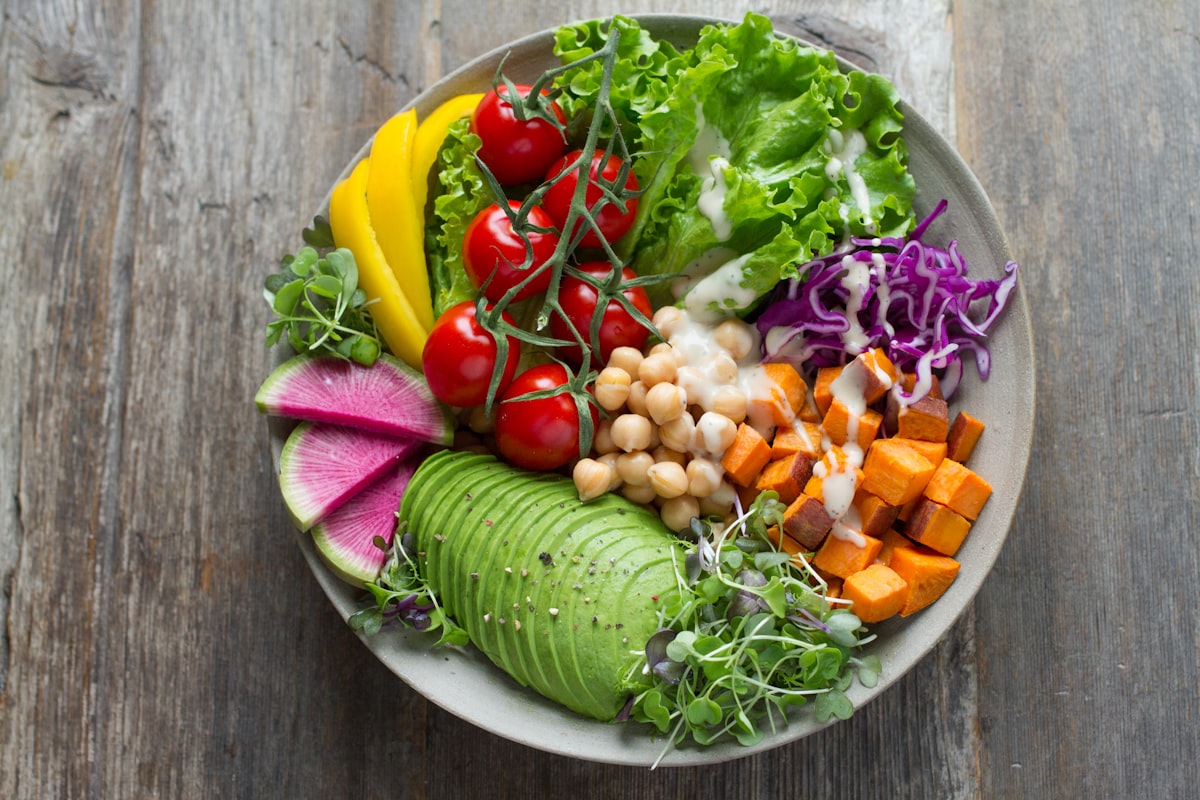
One of the simplest and most effective nutrition concepts to teach young children is eating a rainbow of colors. Different colored fruits and vegetables contain different families of nutrients that support health in distinct ways. Red foods like tomatoes and strawberries contain lycopene and Vitamin C. Orange and yellow foods like carrots, sweet potatoes, and mangoes provide beta-carotene and Vitamin A. Green foods like spinach, broccoli, and peas provide iron, folate, and Vitamin K. Purple and blue foods like blueberries contain anthocyanins with powerful antioxidant properties. Turn eating a rainbow into a daily game or challenge for younger children.
Create a Positive Food Environment at Home
The food environment at home is the single most powerful influence on what children eat. Children eat what is available. Keeping a bowl of fresh fruit on the counter, keeping cut vegetables in the refrigerator at eye level, and limiting the presence of ultra-processed snack foods in the house does more to shape children’s eating habits than any amount of explicit instruction. Never use food as a reward or punishment, as this creates negative emotional associations with both healthy foods and treats.
Teach About Protein: Eggs as an Accessible Example
Eggs are an excellent food for teaching children about protein and nutrition because they are simple, familiar, and extremely versatile. Show children how to crack an egg and explain that the white and yolk both contain protein that helps muscles grow. Teach them that the yolk contains vitamins that help their brain think clearly and their eyes see well. Let them help make scrambled eggs, boiled eggs, or a simple omelette. Cooking eggs together is one of the most accessible and engaging nutrition education activities available for young children of almost any age.
Age-Appropriate Nutrition Concepts
- Ages 2 to 4: Basic food groups, colors of food, washing hands before eating, where food comes from
- Ages 5 to 7: Why we need different kinds of food, simple cooking tasks, farm-to-table concepts
- Ages 8 to 11: Reading simple food labels, understanding macronutrients and their roles, the concept of energy balance
- Ages 12 and up: Detailed nutrition science, meal planning, critical evaluation of food marketing and media messaging
Avoid Diet Culture and Body Shaming
Conversations about food should always focus on health, energy, and how food makes children feel rather than on weight, appearance, or body size. Teaching children to eat nutritiously because it makes them feel strong, energetic, and clear-headed creates a positive, sustainable foundation for lifelong healthy eating. Conversations that connect food choices to body weight or appearance can plant seeds of disordered eating that cause significant long-term harm.
Final Thoughts
Teaching children about nutrition is one of the most profound gifts you can give them. The food habits established in childhood have long-lasting effects on health, wellbeing, and quality of life. Approach nutrition education with creativity, patience, and joy. Let the kitchen become a place of learning and connection. Remember that children learn most powerfully not from what you tell them, but from what they see you do.
Disclaimer: This article is for educational purposes. If a child shows signs of disordered eating or nutritional deficiency, please consult a pediatrician or registered dietitian.