
Eating Nutritiously on a Tight Budget: Strategies That Actually Work
One of the most persistent and damaging myths about healthy eating is that it is inherently expensive. We are bombarded with images of wellness that feature organic imported berries, cold-pressed green juices, and exotic superfood powders. This portrayal creates a significant barrier, leading many to believe that nutrition is a luxury reserved for the wealthy. In reality, food poverty is a pressing human rights issue, and the disproportionate impact of food costs on low-income families is a systemic failure. When a household budget is stretched to the breaking point, cheap, ultra-processed, calorie-dense foods often become the default survival mechanism, contributing to health disparities.
However, eating a highly nutritious diet does not require shopping at high-end health food boutiques. In fact, some of the healthiest foods on the planet are also the most affordable. By shifting our perspective and adopting strategic shopping and cooking habits, it is entirely possible to nourish your body deeply while respecting a strict budget. Here are practical, actionable strategies to help you achieve nutritional security without breaking the bank.
1. Embrace the Power of Pulses (Legumes and Lentils)
If there is one category of food that bridges the gap between peak nutrition and extreme affordability, it is pulses. Beans, lentils, chickpeas, and split peas are nutritional powerhouses. They are packed with plant-based protein, rich in complex carbohydrates, and loaded with dietary fiber, which is essential for gut health and satiety. Furthermore, they are incredibly cheap, especially when bought dried in bulk.
A bag of dried lentils costs mere pennies per serving and can serve as the foundation for hearty soups, curries, and stews. They also act as an excellent meat extender; replacing half the ground meat in a chili or bolognese sauce with lentils or black beans slashes the cost while significantly boosting the fiber and nutrient profile of the meal.
2. Rethink Produce: Frozen is Fantastic
Fresh produce can be expensive, and its short shelf life often leads to costly food waste. A highly effective strategy is to rely heavily on frozen fruits and vegetables. Contrary to popular belief, frozen produce is just as nutritious, and sometimes more nutritious, than its fresh counterparts. Vegetables are flash-frozen at the peak of ripeness, locking in their vitamins and minerals, whereas “fresh” produce may degrade during long transit times in supply chains.
Frozen broccoli, spinach, peas, and mixed berries are generally cheaper, require zero prep work, and will never rot in the crisper drawer before you have a chance to eat them. Use them in smoothies, stir-fries, soups, and casseroles.
3. Shop Seasonally and Locally When Possible
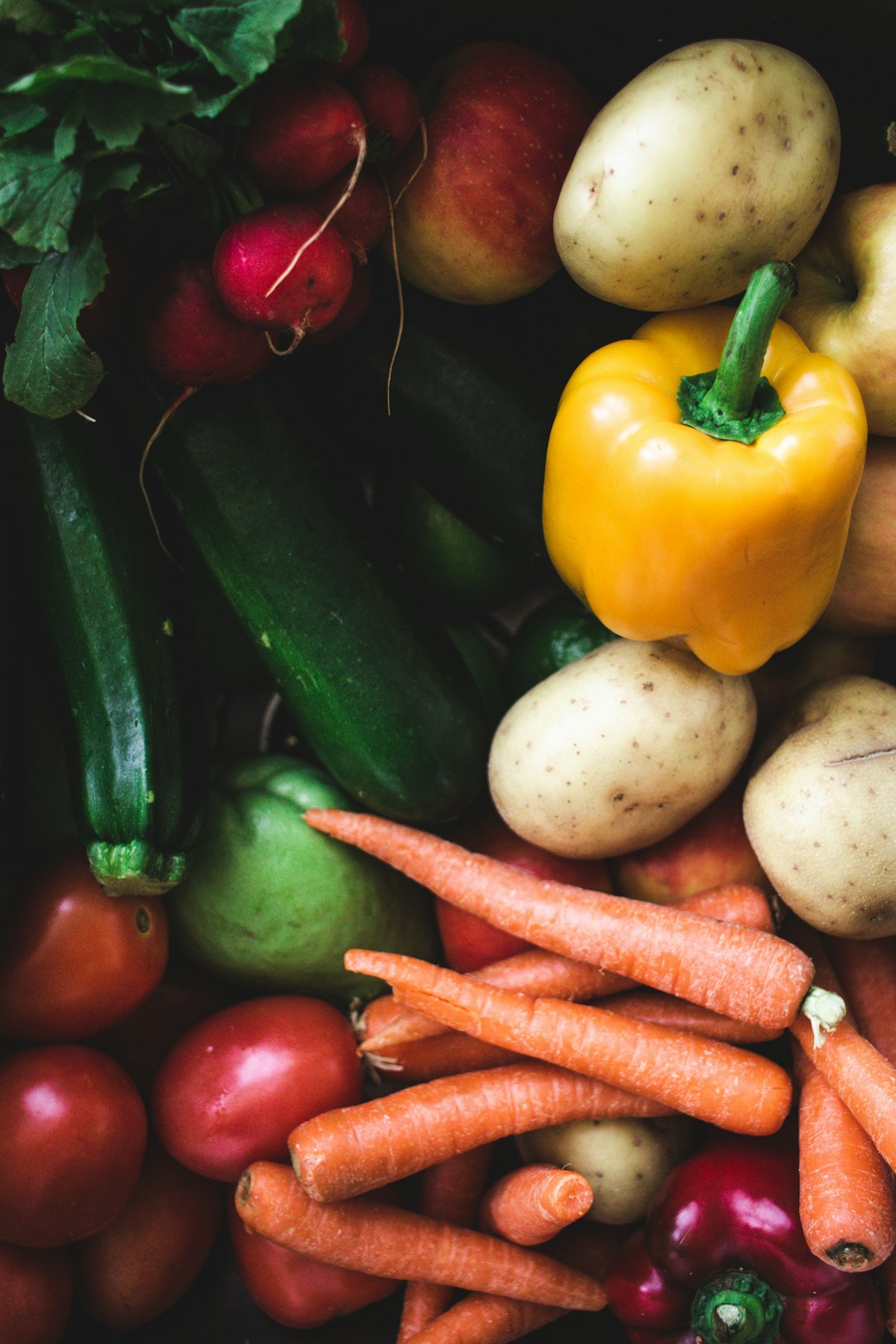
When you do buy fresh produce, let the seasons dictate your choices. Strawberries in winter will be expensive and lackluster because they have been shipped thousands of miles. Cabbage, root vegetables, and squash are remarkably cheap and abundant during the colder months. Learning what is in season in your region is a key skill for budget shopping.
Additionally, while farmers’ markets have a reputation for being pricey, this is not always the case, particularly toward the end of the market day when vendors may reduce prices to clear inventory. In many areas, local markets accept nutritional assistance programs, sometimes offering double value for fresh produce.
4. Reduce Reliance on Meat
Meat, particularly beef and poultry, is often the most expensive component of a grocery bill. You do not need to become a strict vegetarian to see financial benefits; simply adopting a “flexitarian” approach can yield massive savings. Implement “Meatless Mondays” or aim for two to three vegetarian dinners a week utilizing eggs, beans, or tofu as the primary protein source.
When you do buy meat, opt for cheaper, tougher cuts (like pork shoulder or beef chuck) and utilize a slow cooker or braising techniques to make them tender and delicious. Buying a whole chicken and learning to break it down yourself is also significantly cheaper than buying pre-cut, boneless, skinless breasts, and it provides bones for making nutrient-rich broth.
5. Buy Staples in Bulk (Intelligently)
Buying in bulk reduces the cost per ounce significantly. Staples with long shelf lives — such as brown rice, oats, dried beans, pasta, and spices — should be purchased in the largest quantities you can afford and safely store. Whole grains like oats are one of the cheapest breakfasts available; a large tub of plain oats will last weeks and costs a fraction of the price of boxed sugary cereals.
However, the caveat to bulk buying is knowing your habits. Do not buy a bulk quantity of a new ingredient you have never cooked with, as it may end up going to waste. Only bulk-buy the foundational items you eat consistently.
6. Master the Art of Meal Planning and Inventory
The most expensive food you buy is the food you throw away. To eliminate waste, you must plan. Before you go shopping, audit your pantry, fridge, and freezer. Build your weekly menu around the ingredients you already possess. If you have half a bag of spinach and a can of chickpeas, plan a meal that uses them before they expire.
Create a strict grocery list based on your meal plan and stick to it. Avoiding impulse purchases in the aisles is crucial for maintaining a budget. Planning also allows you to utilize leftovers effectively, turning last night’s roast chicken into today’s lunch wrap.
7. Utilize Food Assistance Programs and Food Banks
The right to food means that when economic barriers prevent access to adequate nutrition, safety nets must be utilized. There is zero shame in accessing community resources. If you are struggling to afford groceries, seek out local food banks, community pantries, and mutual aid groups. These organizations exist specifically to bridge the gap and prevent hunger.
Furthermore, ensure you are utilizing any government assistance programs you qualify for, such as SNAP (Supplemental Nutrition Assistance Program) or WIC (Women, Infants, and Children) in the United States, or similar programs in your country. These programs are vital tools for ensuring baseline food security.
Take Action Today
Eating well on a tight budget is a challenge, but it is a manageable one through strategic planning and a willingness to rethink traditional meal structures. By centering your diet around affordable whole foods like beans, lentils, whole grains, and frozen vegetables, and by minimizing waste, you can provide your body with the excellent nutrition it deserves. Health and adequate nourishment are human rights, and taking control of your grocery budget using these strategies is a powerful step toward securing that right for yourself and your family.