

Fat is the most calorically dense macronutrient, providing nine kilocalories per gram compared to four for protein and carbohydrate. It was this caloric density, combined with the mid-twentieth century epidemiological hypothesis linking dietary saturated fat to cardiovascular disease, that made dietary fat the primary nutritional villain of the late twentieth century. The low-fat dietary era that followed — spanning roughly the 1980s through the 2000s — is now widely regarded as one of nutritional science’s most costly errors: it displaced fat with refined carbohydrates and sugar in processed foods, arguably worsening the metabolic outcomes it was intended to improve, while generating decades of confusion about one of the most nuanced and important areas of human nutrition.
From Vilification to Rehabilitation: How Understanding Evolved
The “diet-heart hypothesis” — that dietary saturated fat raises LDL cholesterol, and elevated LDL cholesterol causes cardiovascular disease — was developed primarily from the work of Ancel Keys in the 1950s and 1960s. Keys’s Seven Countries Study found correlations between dietary fat intake and cardiovascular mortality across countries. The study was influential in shaping decades of dietary policy. It was also, as later analyses revealed, methodologically limited: Keys selected the countries that supported his hypothesis from a larger dataset, and the data contained significant confounders.
Subsequent decades of research have substantially complicated, though not overturned, the diet-heart hypothesis. The relationship between dietary fat and cardiovascular disease is now understood to be far more specific than the original hypothesis suggested: the type of fat consumed matters enormously, and the carbohydrate context into which fat reduction is placed matters equally. Replacing saturated fat with refined carbohydrates — which is what happened in most “low-fat” processed food reformulations — does not improve cardiovascular outcomes and may worsen them. Replacing saturated fat with polyunsaturated fat — specifically linoleic acid from vegetable oils and omega-3s from fish — does appear to reduce cardiovascular events in the research literature.
Understanding the Major Fat Categories
Saturated fatty acids (SFAs) are found primarily in animal products (meat, full-fat dairy), coconut oil, and palm oil. They are solid at room temperature. They raise both LDL and HDL cholesterol, but the net effect on cardiovascular risk appears to depend on the specific SFA, what they replace in the diet, and the individual’s metabolic context. Lauric acid (C12, the primary SFA in coconut oil) raises LDL but also raises HDL substantially. Palmitic acid (C16, abundant in palm oil and meat fat) has a more clearly adverse LDL effect. Stearic acid (C18, abundant in beef and dark chocolate) appears neutral on cholesterol. The blanket treatment of all saturated fats as equally harmful is not supported by the chemistry.
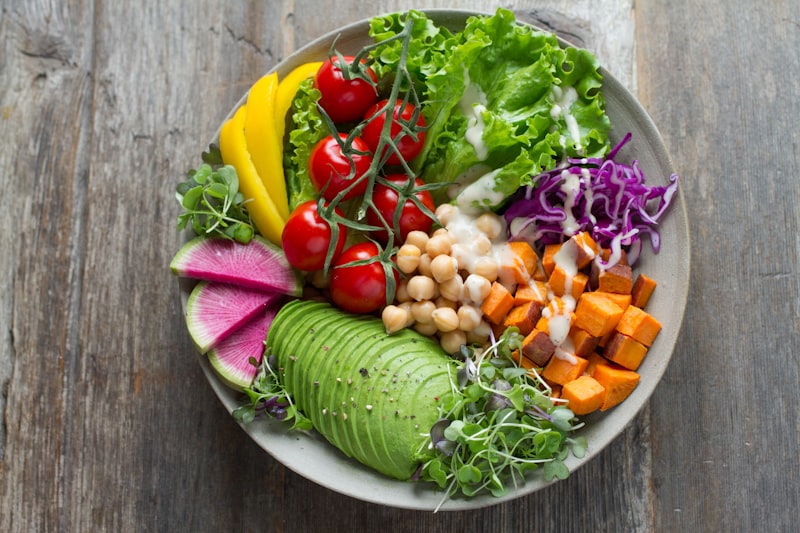
Monounsaturated fatty acids (MUFAs) are found primarily in olive oil, avocado, and many nuts. They have a consistent positive effect on the LDL:HDL ratio, are resistant to oxidation (relevant for cardiovascular protection), and are the primary fat in the Mediterranean diet, which has the strongest evidence base among specific dietary patterns for cardiovascular health. Replacing saturated fat with MUFAs from olive oil and avocado is unambiguously supported by the evidence.
Polyunsaturated fatty acids (PUFAs) are divided into omega-6 (primarily linoleic acid from vegetable oils and seeds) and omega-3 (ALA from plants, EPA and DHA from oily fish). Both reduce LDL cholesterol when substituted for saturated fat. The omega-6 to omega-3 ratio in the diet has received significant research attention: while omega-6 fats are not inherently harmful, the dramatic increase in omega-6 intake from industrial seed oils (corn, sunflower, soybean) in Western diets since the mid-twentieth century, without a corresponding increase in omega-3 intake, has shifted this ratio from approximately 4:1 to 15-20:1, with proposed inflammatory consequences.
Trans fatty acids are the unambiguous dietary villain of the fat story. Industrially produced trans fats (from partial hydrogenation of vegetable oils) raise LDL, lower HDL, and promote inflammation. They have been banned or significantly restricted in most high-income countries following research establishing their role in cardiovascular disease. They remain present in small amounts in processed foods in countries without bans and naturally occur in small amounts in ruminant animal products (where they have a different and more complex effect profile than industrial trans fats).
What the Evidence Actually Recommends
The current evidence-based position on dietary fat, reflecting four decades of research beyond the low-fat era, supports the following: total fat intake should not be restricted as a primary dietary goal; the type of fat consumed matters more than the amount; minimise industrial trans fats entirely; reduce but do not eliminate saturated fat from animal sources, choosing lean cuts and limiting processed meat; emphasise MUFAs from olive oil and avocado; increase omega-3 intake from oily fish and/or algae supplements; and do not replace fat with refined carbohydrates or sugar in the name of health. This framework is consistent with the Mediterranean dietary pattern, which achieves approximately 35 to 40 percent of calories from fat — predominantly monounsaturated — while producing the best cardiovascular outcomes of any studied dietary pattern in randomised trial evidence.

The historical evolution of dietary fat science is a case study in the dangers of reducing complex nutritional systems to single nutrient prohibitions. Fat is not the enemy. The wrong fats in excess are problematic. The right fats — from olive oil, avocado, nuts, seeds, and oily fish — are not merely acceptable; they are essential components of a health-promoting dietary pattern, and decades of low-fat dietary advice that displaced them with sugar and refined carbohydrates did more harm than good.