
Before there were dietitians, there was food wisdom. Before clinical trials, there were observation and refinement across generations. Traditional food systems — the accumulated dietary knowledge of indigenous and agricultural communities developed over centuries of lived experience with specific ecologies, climates, and bodies — encode nutritional and health information that modern science is still learning to fully decode. This is not an argument for uncritical romanticism about traditional diets. Some traditional food practices carry genuine health risks. But the pattern of what modern nutritional science consistently validates in traditional food cultures is striking enough to be worth examining carefully.
Framework Element 1: Whole Food Diversity Over Single-Nutrient Reductionism
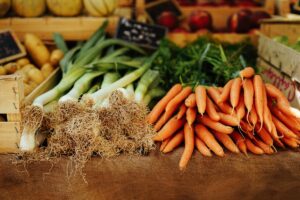
One of the most consistent features of traditional food cultures worldwide is a diet built on a wide variety of whole foods rather than a narrow selection of processed products. Hunter-gatherer groups studied by anthropologists typically consumed 50 to 150 different plant species annually, alongside diverse animal proteins. Traditional agricultural societies relied on a rotation of seasonal vegetables, legumes, fermented foods, and grains that provided nutritional diversity automatically. Modern food culture has narrowed dramatically: approximately 75 percent of global food supply now comes from just 12 plant species and five animal species, with three crops (rice, wheat, and maize) providing the majority of global caloric intake.
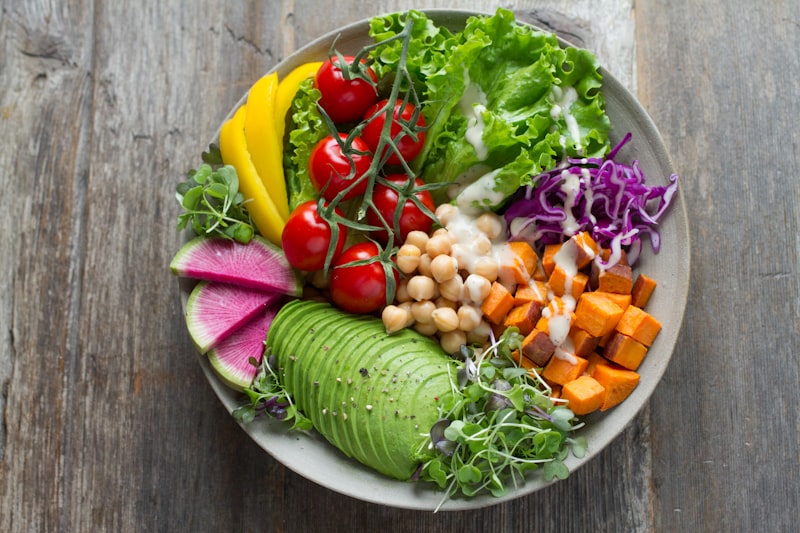
Modern nutritional science consistently validates diversity as a core principle. The American Gut Project found that eating 30 different plant foods per week is the single strongest dietary predictor of gut microbiome diversity. The diversity of the gut microbiome is associated with reduced risk of every major chronic disease category. Traditional diets achieved this diversity through the variety of what was available. Modern diets must achieve it through deliberate choice in an environment that systematically narrows options.
Framework Element 2: Fermentation as Universal Practice
Every traditional food culture that has been studied includes fermented foods as a significant dietary component. African injera, Asian kimchi and miso and tempeh and natto, European sauerkraut and sourdough and kefir, South Asian idli and dosa, Middle Eastern yoghurt and labneh, Latin American chicha — the diversity of fermented food traditions is as impressive as their universality. Modern food culture replaced many fermented foods with their unfermented industrial equivalents (commercial yeasted bread for sourdough, pasteurised homogeneous yoghurt for live-culture traditional yoghurts, distilled vinegar for traditionally fermented vinegars) precisely as the science of gut microbiome health began revealing why fermented foods matter.
The research by Wastyk and colleagues (Cell, 2021) showing that a high-fermented food diet significantly increased gut microbiome diversity and reduced inflammatory proteins may be the most important nutrition research of the decade. Traditional food cultures discovered and maintained fermented food practices for thousands of years before this mechanism was understood. They were right for the right reasons — even if they described the benefit differently.
Framework Element 3: Nose-to-Tail and Whole-Animal Utilisation
Traditional meat-eating cultures almost universally practised whole-animal utilisation — using not just muscle meat but organ meats, bone broth, skin, marrow, and other parts typically discarded in modern food processing. This practice, which modern consumers often find aesthetically challenging, was nutritionally highly rational. Organ meats are among the most nutritionally dense foods available: liver provides vitamin A, B12, folate, iron, zinc, and copper at concentrations that muscle meat does not approach. Bone broth provides glycine and proline (amino acids important for joint, gut, and skin health), collagen, and minerals. The selectivity of modern meat-eating — consuming almost exclusively muscle meat while discarding the most nutrient-dense parts — is a post-industrial deviation from the pattern that characterised most of human food history.
Framework Element 4: Preparation Practices That Increase Bioavailability
Traditional food preparation practices frequently incorporated steps that modern processing has abandoned, and that modern nutritional science recognises as significantly enhancing nutrient bioavailability. Soaking and sprouting legumes and grains reduces phytate content and increases mineral bioavailability. Nixtamalisation — the traditional Mesoamerican process of soaking maize in an alkaline lime solution before grinding — releases niacin from a bound form in maize that would otherwise cause pellagra in populations dependent on maize as a staple. European settlers who adopted maize without adopting nixtamalisation suffered epidemic pellagra. Traditional knowledge had worked out, through experience rather than biochemistry, that something in the lime treatment was essential for health.
Framework Element 5: Eating in Community and Rhythm
Traditional food cultures organised eating around communal meals at consistent times, governed by seasonal and agricultural rhythms. Modern food culture has moved toward individualised, grazing eating patterns with minimal communal structure. The research on eating in community consistently shows better dietary quality, better satiety regulation, lower rates of disordered eating, and better mental health outcomes associated with shared meals than with solitary eating. The research on consistent meal timing shows that eating at regular times each day supports circadian rhythm integrity and metabolic health in ways that erratic eating does not. Traditional cultures maintained these practices without understanding the mechanism. Modern people must actively choose to recapture them in environments structured for individual convenience.
The synthesis of this framework is not that traditional diets were perfect or that modern nutritional science should be abandoned in favour of ancestral wisdom. It is that the accumulation of human food experience across millennia, across every culture and ecology, converges on recognisable principles — diversity, fermentation, whole food utilisation, skilled preparation, and communal eating — that modern nutritional science is consistently validating. Learning from this convergence, selectively and critically, is more nutritionally productive than treating the entire history of human eating as irrelevant to contemporary dietary choices.