
Beginner: Understanding What Healthy Ageing Actually Means
The popular image of ageing is defined by loss — loss of strength, sharpness, independence, and vitality. It is an image that does not serve older people well, and it is scientifically inaccurate. What the science of healthy ageing actually shows is that the trajectory of physical and cognitive decline varies enormously between individuals of the same chronological age, and that a meaningful proportion of this variation is attributable to modifiable lifestyle factors, with nutrition among the most significant.
At the beginner level, understanding healthy ageing nutrition starts with two foundational concepts: that caloric needs decrease with age (due to reduced lean muscle mass and lower activity levels), but nutrient needs remain the same or, for several key nutrients, actually increase. This creates a nutritional challenge that most older adults and their families are not adequately informed about: you need to eat smarter — more nutrients from fewer calories — as you age.
The nutrients that most commonly become inadequate in older adults are: protein (due to both reduced intake and reduced efficiency of muscle protein synthesis), calcium and vitamin D (bone density depends on both), vitamin B12 (gastric acid production declines with age, reducing B12 absorption from food), omega-3 fatty acids (associated with brain health and reduced inflammation), and folate. The consequences of inadequacy in these nutrients — muscle loss, bone fractures, cognitive decline, anaemia, cardiovascular disease — are among the most significant health challenges of older age.
At the beginner level, the most important practical steps are: ensuring adequate protein at every meal (targeting approximately 25-30 grams per meal rather than concentrating protein at one daily meal), choosing nutrient-dense foods over empty-calorie options, taking a vitamin D and B12 supplement if over 65 (recommended as standard by most national guidelines), and maintaining regular physical activity alongside dietary improvements, since the two interact synergistically for muscle and bone health.

Intermediate: Sarcopenia, Bone Health, and the Protein-Exercise Synergy
Sarcopenia — the age-related loss of skeletal muscle mass and function — begins in most people around age 40 and accelerates after 60. It is one of the primary drivers of frailty, falls, reduced independence, and increased mortality in older adults. The rate of muscle loss is not fixed; it is highly modifiable through both dietary protein intake and resistance exercise.
The mechanism of sarcopenia involves a progressive blunting of the anabolic response to protein intake — older muscle tissue requires a higher protein stimulus to achieve the same rate of muscle protein synthesis as younger tissue. This is called “anabolic resistance.” Practically, this means that older adults require more total dietary protein, and more protein per meal (particularly the essential amino acid leucine, which acts as a molecular trigger for muscle protein synthesis), to achieve the same muscle-maintaining effect as younger adults eating less protein.
Current evidence supports a protein intake of 1.2 to 1.6 grams per kilogram of body weight per day for older adults aiming to maintain muscle mass — significantly above the standard RDA of 0.8 g/kg/day, which is widely considered inadequate for older populations. Leucine-rich protein sources are particularly effective: whey protein, eggs, beef, poultry, fish, and soy protein all provide adequate leucine. The timing of protein relative to resistance exercise matters: consuming 25-40 grams of protein within two hours of resistance exercise maximises muscle protein synthesis.
Bone health requires the same attention. Peak bone mass (achieved in young adulthood) determines the starting point from which age-related bone loss proceeds. Preserving bone density through older age requires adequate calcium (1,000-1,200 mg/day, from food where possible), vitamin D (at least 800-1,000 IU/day, supplemented in most older adults), vitamin K2 (which directs calcium to bone rather than soft tissue), and regular weight-bearing and resistance exercise. The interplay between muscle and bone health is significant — stronger muscles exert greater forces on bone, stimulating bone remodelling and density maintenance.
Expert: The Longevity Nutrients and Emerging Research
At the advanced level of ageing nutrition science, several emerging areas are reshaping the understanding of what dietary patterns support not merely the absence of disease in older age, but the maintenance of cognitive function, immune competence, and functional independence into the ninth and tenth decades of life.
Dietary protein and mTOR regulation: The mechanistic target of rapamycin (mTOR) signalling pathway is activated by leucine-rich protein and drives muscle protein synthesis, but also promotes cellular growth signals that may accelerate ageing-related processes when chronically elevated. Emerging longevity research, primarily from animal models, suggests that periods of lower protein intake may activate autophagy (cellular cleaning processes) and promote longevity signals through mTOR inhibition. How to balance protein adequacy for muscle maintenance against potential longevity signals from periodic lower intake is an active area of research, with some researchers proposing cycling approaches in which higher protein intake is maintained around exercise and lower protein intake on sedentary days.
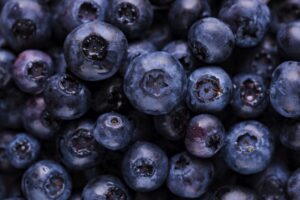
Polyphenols and cognitive ageing: Polyphenols from berries, cocoa, olive oil, green tea, and many other plant foods are increasingly recognised as neuroprotective beyond their antioxidant activity. They appear to cross the blood-brain barrier in meaningful quantities, reduce neuroinflammation, enhance synaptic plasticity, and promote BDNF (brain-derived neurotrophic factor) — a protein essential for the growth and maintenance of neurons. Regular flavonoid consumption is consistently associated with slower cognitive decline in prospective studies.
Gut microbiome and immunosenescence: Ageing is associated with progressive deterioration of immune function (immunosenescence) and increased chronic low-grade inflammation (inflammaging). The gut microbiome changes substantially with age, with loss of beneficial species diversity and increased abundance of pro-inflammatory species. Dietary fibre, fermented foods, and polyphenol-rich plant foods support microbiome diversity and may slow the trajectory of immunosenescence — an area of active clinical trial investigation.
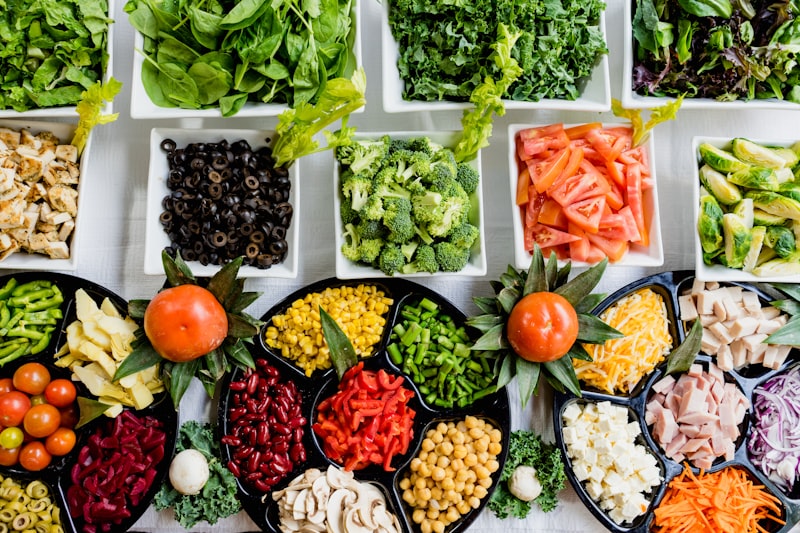
The convergent message from beginner to expert level ageing nutrition is consistent: what you eat in your 40s, 50s, and 60s shapes the trajectory of your 70s, 80s, and 90s in ways that no amount of medication or medical intervention can fully compensate for. The nutrients that matter most — protein, calcium, vitamin D, B12, omega-3s, polyphenols, fibre — are available in ordinary whole foods at affordable prices. The science of healthy ageing is not esoteric. It is accessible, actionable, and among the most important investments any person can make in their own future.