
Vegetable Oils in Your Kitchen: Healthy Choice or Hidden Harm?
Wander down the cooking oil aisle of any supermarket, and you will find an overwhelming array of choices packaged in sleek bottles with claims of health and vitality. Canola, sunflower, soybean, corn, and olive oil stand shoulder-to-shoulder. For decades, vegetable oils were universally heralded as the heart-healthy alternative to animal fats like butter and lard. Recently, however, a loud counter-narrative has emerged on social media and health blogs, demonizing certain vegetable oils — particularly “seed oils” — as toxic drivers of inflammation and chronic disease. With such polarized opinions, it is incredibly difficult for the average consumer to know what to cook with. To cut through the noise, we need to examine the science and separate pervasive myths from nutritional facts.
Myth 1: All Vegetable Oils Are Essentially the Same
Fact: The term “vegetable oil” is a broad umbrella that covers wildly different products with vastly different nutritional profiles, extraction methods, and health impacts. Grouping them all together is scientifically inaccurate.
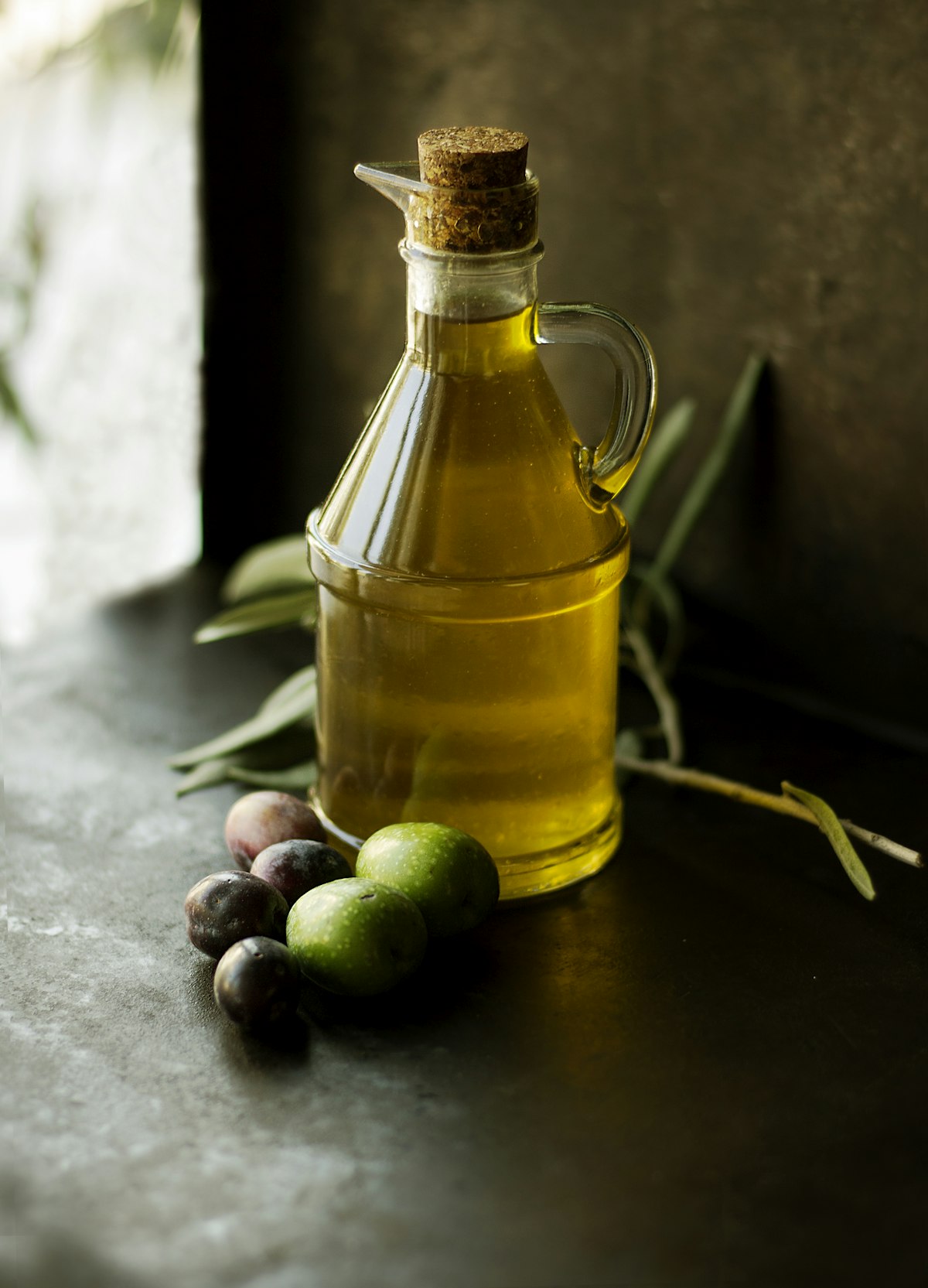
For example, extra virgin olive oil is mechanically cold-pressed from the fruit of the olive tree. It is rich in monounsaturated fats (oleic acid) and loaded with potent antioxidants like polyphenols. On the other end of the spectrum, oils like soybean or corn oil are extracted from seeds using high heat and chemical solvents like hexane. These highly refined oils consist primarily of polyunsaturated fats and have been stripped of most of their natural antioxidants. The source of the oil, the type of fat it contains, and how it is processed dictate its health properties. They are not interchangeable.
Myth 2: You Cannot (or Should Not) Cook with Extra Virgin Olive Oil
Fact: This is one of the most enduring culinary myths. The misconception stems from the idea that extra virgin olive oil (EVOO) has a low smoke point and that heating it turns it into harmful compounds. The science says otherwise.
While EVOO does have a slightly lower smoke point (around 350-410F or 176-210C) compared to highly refined oils, its stability under heat is actually superior. A critical factor in cooking oil safety is oxidative stability — how well the oil resists breaking down and forming harmful free radicals when heated. EVOO’s high levels of monounsaturated fats and powerful antioxidants protect it from oxidation. Numerous studies have shown that EVOO performs exceptionally well and remains stable even when subjected to prolonged heating, such as deep-frying or roasting. It is perfectly safe and healthy for almost all home cooking methods.
Myth 3: Saturated Fat is Always Bad, so Liquid Oils are Always Better
Fact: The narrative around saturated fat has evolved significantly. While the dietary guidelines of the late 20th century urged a strict reduction in all saturated fats (leading to the rise of margarine and refined vegetable oils), modern nutritional science presents a more nuanced picture.
Replacing saturated fats (like butter) with polyunsaturated fats (like soybean or corn oil) does lower LDL cholesterol, but lowering cholesterol does not automatically equate to a reduced risk of heart disease if those polyunsaturated fats become oxidized. Furthermore, some sources of saturated fat, such as unrefined coconut oil or high-quality grass-fed butter, contain distinct fatty acids and fat-soluble vitamins that have complex, and sometimes neutral or beneficial, metabolic effects. It is overly simplistic to label all saturated fat as “bad” and all liquid vegetable oil as “good.” The quality and processing of the fat matter more than its physical state at room temperature.
Myth 4: “Seed Oils” Are Toxic and Cause Systemic Inflammation
Fact: This claim, highly popular on the internet, revolves around the high omega-6 fatty acid content in refined seed oils (like sunflower, safflower, corn, and soybean oils). The theory is that omega-6 fats are inherently pro-inflammatory, while omega-3 fats are anti-inflammatory, and our modern high intake of omega-6s drives chronic disease.
The reality is more complicated. Linoleic acid (the primary omega-6) is actually an essential fatty acid; we need it to survive. Human trials generally show that consuming omega-6 fats does not increase systemic markers of inflammation in the blood. The real issue is the context in which these oils are consumed. Industrial seed oils are heavily processed, easily oxidized, and found primarily in ultra-processed foods, fast food, and commercial baked goods. The health problems associated with high seed oil consumption are likely driven by the overall poor quality of the ultra-processed diets they accompany, rather than linoleic acid itself acting as a direct toxin. However, due to their refinement and susceptibility to oxidation, relying heavily on refined seed oils for home cooking is not optimal compared to using more stable, nutrient-rich fats.
Myth 5: Butter is Healthier Than Any Vegetable Oil
Fact: In the backlash against refined seed oils, some have swung the pendulum completely to the other side, claiming butter is the ultimate health food. While butter is a whole food and can absolutely be part of a balanced diet (especially for flavor), it is not the healthiest fat available.
When comparing butter directly to extra virgin olive oil, EVOO consistently wins in cardiovascular and metabolic outcomes. Diets high in EVOO (like the Mediterranean diet) are robustly linked to longevity, reduced heart disease risk, and better cognitive health. Butter lacks the anti-inflammatory polyphenols and the heart-healthy monounsaturated fat profile that make EVOO a superfood. Enjoy butter in moderation for its culinary properties, but do not consider it a nutritional upgrade over high-quality, cold-pressed vegetable oils like olive or avocado oil.
The Bottom Line
The truth about vegetable oils lies not in absolute extremes, but in understanding processing and fat composition. The healthiest choices for your kitchen are unrefined, cold-pressed oils that are rich in monounsaturated fats and natural antioxidants. Extra virgin olive oil remains the gold standard for both raw applications and cooking. Avocado oil is another excellent choice for high-heat cooking due to its high smoke point and healthy fat profile. Conversely, it is wise to minimize the use of highly refined industrial seed oils (like corn, soybean, and generic “vegetable” oil) and limit the consumption of ultra-processed foods where these oils are ubiquitous. Choose your fats wisely, focusing on quality and minimal processing to support your overall health.