
Many adults carry a secret anxiety about cooking. Perhaps they grew up in a household where they were never taught, perhaps early attempts ended in failures that felt discouraging, or perhaps the sheer volume of elaborate recipes and specialized equipment suggested by food media has made cooking feel like a skill reserved for talented individuals rather than something every person can learn. None of this is true. Cooking is a learnable skill that requires practice and patience rather than natural talent. Every professional chef was once a complete beginner. This guide is for anyone who wants to start cooking or build more confidence in the kitchen, with a focus on simple, nutritious, practical approaches that work in real life.
Why Learning to Cook Is Worth the Investment
Cooking is one of the most impactful life skills a person can develop. People who cook regularly eat healthier diets, spend significantly less money on food, have more control over what goes into their bodies, experience the satisfaction and pride of creating something nourishing, and often report that cooking becomes a genuine source of relaxation, creativity, and connection. The initial learning curve is real but it is shorter and less steep than most beginners fear, and the skills developed compound rapidly with practice.
Starting With the Right Mindset
The most important shift for a beginning cook is reframing the goal. Rather than trying to produce restaurant-quality dishes from the outset, the goal is to produce simple, nutritious, edible food consistently. A meal does not need to be impressive to be valuable. A bowl of properly cooked lentils with good seasoning, a well-prepared scrambled egg with toast and a few vegetables, or a simple vegetable and bean soup are genuinely excellent meals that require basic skills to execute well. Progress comes from repetition, not from attempting increasingly complex recipes. Cook the same five or six simple dishes repeatedly until you can make them confidently without a recipe, then expand your repertoire one dish at a time.
The Essential Kitchen Equipment for Beginners
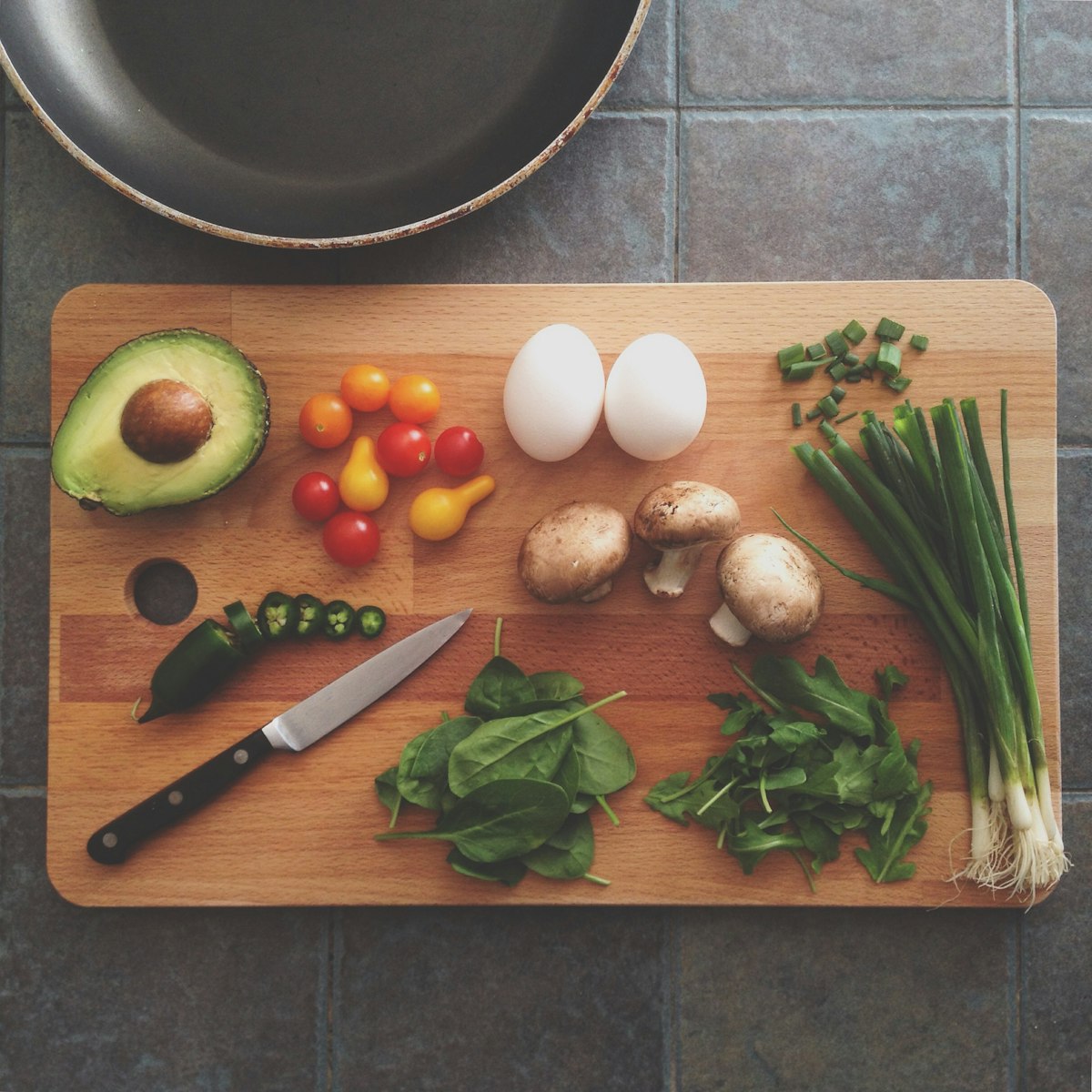
You do not need a fully equipped kitchen to cook well. A handful of essential tools covers the vast majority of everyday cooking needs. These include a good quality heavy-bottomed frying pan or skillet, ideally non-stick for beginners, a medium and a large saucepan, a sturdy cutting board, a sharp chef’s knife, a wooden spoon or silicone spatula, a colander for draining, and measuring cups and spoons. Everything else is optional. Resist the urge to fill your kitchen with gadgets and equipment before you are cooking regularly. Simple equipment used confidently produces far better results than expensive gadgets used rarely and hesitantly.
The Essential Pantry for Simple Healthy Cooking
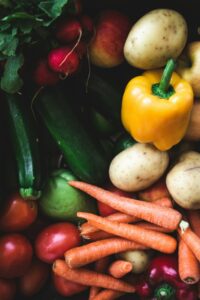
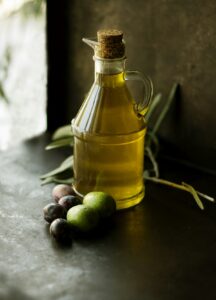
A well-stocked pantry makes it easy to produce nutritious meals even on days when shopping was not possible. Core pantry staples to keep on hand include olive oil or a neutral cooking oil, onions and garlic, dried lentils and canned beans, whole grain pasta and rice or other whole grains, canned tomatoes, vegetable or chicken stock, eggs, oats, dried herbs and spices including cumin, paprika, oregano, cinnamon, and black pepper, vinegar, and salt. With these items on hand alongside whatever fresh produce and protein you have, it is almost always possible to produce a nutritious and satisfying meal.
The Five Fundamental Cooking Techniques Every Beginner Needs
Boiling and Simmering
Boiling is used for pasta, rice, grains, eggs, and vegetables. Simmering at a lower temperature is used for soups, sauces, and legumes. Learning to control heat to achieve a gentle simmer rather than a rolling boil is one of the first fundamental skills that improves almost everything you cook.
Sauteing
Sauteing means cooking food quickly in a small amount of fat over medium to high heat while moving or stirring it regularly. This technique is used for vegetables, eggs, and many proteins. Starting with the correct temperature, not too low or the food steams rather than sautes, and not too high or it burns before cooking through, is the key skill to develop.
Roasting
Roasting vegetables in the oven with a little oil and seasoning produces deeply flavorful, caramelized results that make even simple vegetables delicious. This is one of the easiest and most forgiving cooking techniques and a great starting point for building vegetable confidence.
Making a Simple Sauce
Understanding how to build a simple tomato-based sauce, a simple pan sauce, or a basic salad dressing unlocks the ability to make any dish infinitely more interesting and satisfying. A simple tomato sauce made by gently cooking onion and garlic in oil, adding canned tomatoes, and simmering with herbs is the foundation of dozens of beloved dishes across multiple cuisines.
Cooking Eggs
Eggs are perhaps the single most valuable ingredient for beginning cooks. They cook quickly, cost very little, provide excellent nutrition, and can be prepared in dozens of ways. Learning to scramble, fry, poach, boil, and make a basic omelette provides both fundamental technique practice and an endlessly versatile repertoire of quick, nutritious meals.
Simple Beginner Recipes to Master First
- Scrambled eggs with vegetables on whole grain toast
- Simple vegetable and lentil soup
- Pasta with homemade tomato sauce and any vegetables you have
- Oatmeal with fruit and nuts
- Vegetable omelette
- Simple fried rice with egg and vegetables
- Roasted vegetables with any protein
Cooking as a Human Right and Life Skill
The ability to cook is a form of food autonomy and self-determination. When cooking skills are passed between generations and taught in schools, communities maintain food independence, cultural traditions, and nutritional resilience. When cooking knowledge is lost, people become more dependent on commercial food systems that frequently provide poor nutrition at high cost. Investing in cooking education for all people, particularly children and young adults, is a public health investment with lifelong returns.
Final Thoughts
Start small, start simply, and start today. Choose one recipe, gather its ingredients, and make it. Do not aim for perfection on the first attempt. Notice what worked and what you would do differently next time. Cook it again until it becomes comfortable, then add one more recipe to your repertoire. This is how every confident cook in the world learned, one dish at a time, through practice, curiosity, and a willingness to learn from imperfect attempts. The kitchen is one of the most generous places to develop a skill, because every effort produces something you can eat.
Disclaimer: This article is for informational and motivational purposes. For specialized dietary requirements or health conditions, please consult a registered dietitian.