
The Current Landscape of Plant-Based Eating
A decade ago, ordering a vegan meal in a mainstream restaurant usually meant receiving a side salad and a perplexed look from the waiter. Today, the landscape is unrecognizable. Fast-food giants are rolling out plant-based burgers, dairy aisles are dominated by oat and almond milks, and the term “plant-based” has become a powerful, multi-billion-dollar marketing halo.
We are witnessing a profound dietary shift. But as this movement scales from niche ethical stance to mainstream lifestyle, the narrative has become increasingly muddy. The food industry has co-opted the movement, replacing whole foods with hyper-processed analogues. Meanwhile, the scientific evidence regarding plant-based diets is robust but highly nuanced, frequently lost in the ideological battles between militant vegans and defensive carnivores.
This is not a manifesto on why you must go vegan. Instead, it is an industry insider’s analysis of the plant-forward shift. We need to dissect the drivers behind this trend, examine what the clinical evidence actually says about plant-based health, identify the most dangerous pitfalls people make when transitioning, and establish a framework for how to integrate plant-based principles effectively without falling prey to marketing hype.
The Environmental and Market Drivers
To understand the rise of plant-based eating, we must look beyond personal health. The initial surge was largely driven by an increasing awareness of the environmental externalities of industrial animal agriculture.
The data is sobering: livestock production accounts for nearly 15 percent of global greenhouse gas emissions, uses a disproportionate amount of the world’s freshwater, and is the primary driver of deforestation, particularly in the Amazon. As climate anxiety has moved from the fringes to the mainstream, millions of consumers have sought to align their diets with their environmental values.
However, the rapid acceleration of the plant-based trend in the last five years was not driven by environmentalists; it was driven by venture capital. Seeing a massive market opportunity, food tech companies poured billions into developing meat and dairy analogues that could appeal to “flexitarians” — people who eat meat but are actively trying to reduce their intake.
This investment yielded products that bleed like beef, melt like cheese, and mimic the mouthfeel of chicken. The strategy worked brilliantly. The plant-based sector grew exponentially. But this rapid commercialization introduced a significant problem: the conflation of “plant-based” with “healthy.”
The Health Evidence: What the Science Actually Says
When we look at the epidemiological data, populations that consume a predominantly plant-based diet — such as the Seventh-day Adventists in California or the traditional populations of Okinawa — consistently demonstrate lower rates of cardiovascular disease, type 2 diabetes, and certain cancers. They also tend to have longer healthspans.
The clinical trials support these observations. Well-formulated plant-based diets are highly effective at lowering LDL cholesterol, improving insulin sensitivity, and reducing systemic inflammation. The mechanisms are straightforward: plant-based diets are generally lower in saturated fat, entirely devoid of dietary cholesterol, and packed with soluble fibre, antioxidants, and thousands of phytonutrients that modulate the immune system and protect against cellular damage.
Furthermore, the microbiome thrives on a plant-based diet. The diverse array of fermentable fibres found in beans, whole grains, and vegetables acts as prebiotic fuel, promoting the growth of beneficial gut bacteria that produce short-chain fatty acids, which regulate gut health and systemic immunity.
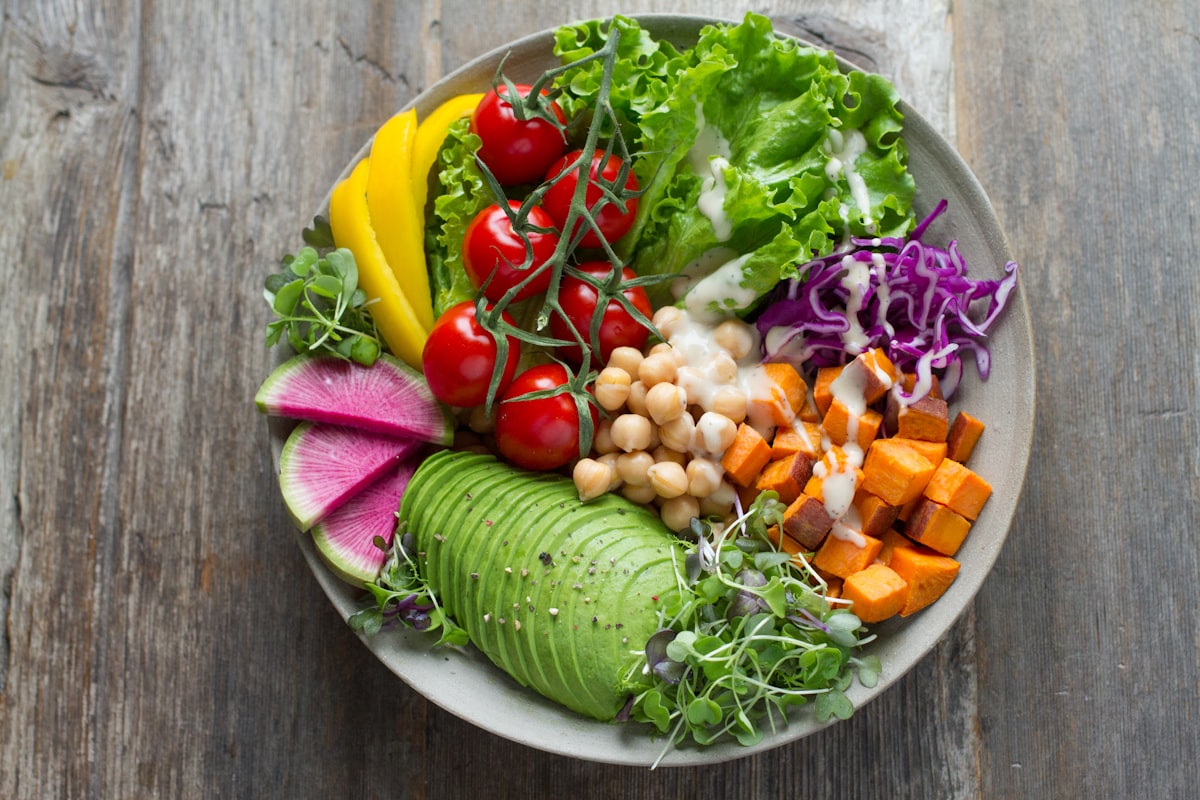
However, a critical distinction must be made. The benefits observed in these studies are derived from diets based on whole, unrefined plant foods: lentils, oats, broccoli, berries, and walnuts. The studies do not demonstrate health benefits from diets based on extruded pea protein isolate, refined coconut oil, and synthetic flavourings — the ingredients that make up much of modern plant-based fast food.
The Pitfalls: How Plant-Based Goes Wrong
The greatest risk of the plant-forward movement is the belief that avoiding animal products automatically results in a healthy diet. This is a dangerous fallacy. A diet consisting entirely of potato crisps, soda, and commercial vegan donuts is 100 percent plant-based, yet it is a metabolic disaster.

Here are the three most common pitfalls people encounter when making the shift:
1. The Ultra-Processed Trap
The modern supermarket is flooded with vegan convenience foods. Many of the most popular plant-based burgers contain as much saturated fat (usually from refined coconut oil) and sodium as their beef counterparts. They are heavily processed, stripped of their original fibre matrix, and formulated for hyper-palatability rather than nutrition. Transitioning from a diet of whole chicken breasts to a diet of processed vegan nuggets is not a health upgrade; it is simply swapping one set of problems for another.
2. The Protein Panic and Carbohydrate Overload
While it is entirely possible to get adequate protein on a plant-based diet, it requires planning. Animal protein is highly bioavailable and contains all essential amino acids. Plant proteins (with a few exceptions like soy and quinoa) are often lower in one or more essential amino acids. When people remove meat without deliberately substituting high-protein plant foods (like tempeh, edamame, lentils, and seitan), they often end up replacing those calories with refined carbohydrates — pasta, bread, and rice. This leads to a diet that spikes blood sugar, leaves them perpetually hungry, and results in muscle loss over time.
3. Micronutrient Blind Spots
A strictly plant-based diet requires supplementation. There is no debate on this in the nutritional community. Vitamin B12 is not reliably found in plant foods. Plant-based iron (non-heme iron) is poorly absorbed compared to meat-based iron. Omega-3 fatty acids (EPA and DHA) are difficult to obtain without marine sources or algae supplements. Iodine, zinc, and vitamin K2 can also drop to sub-optimal levels. Failing to address these micronutrient gaps can lead to profound fatigue, anemia, and neurological issues within a few years of transitioning.
The Accessibility and Human Rights Angle
There is a persistent, damaging narrative that eating a plant-based diet is a privilege reserved for the wealthy. This narrative is heavily pushed by the meat industry, but it is fundamentally flawed.
Yes, buying premium, branded vegan cheeses and heavily marketed meat analogues is expensive. But a true whole-food, plant-based diet is historically and practically the diet of the global working class. The foundational foods of a plant-based diet — dried beans, lentils, rice, oats, potatoes, and seasonal vegetables — are consistently the cheapest, most calorie-dense, and nutrient-dense foods available on the planet.
The framing of plant-based eating as an elite lifestyle choice ignores the reality that in many parts of the world, relying on legumes and grains rather than meat is a necessity, and a deeply healthy one. Shifting the conversation away from expensive, ultra-processed substitutes back toward simple, whole foods is essential for making this dietary pattern accessible and affordable for all demographics.
Conclusion: Framework for Making an Informed Decision
You do not need to become a strict, label-carrying vegan to reap the massive benefits of plant-based eating. The health data strongly supports a dietary spectrum where plants dominate the plate, but flexibility remains.
Here is a practical framework for the plant-forward shift:
1. Think Addition, Not Just Subtraction: Do not start by asking what you need to cut out. Start by asking what you can add. Aim to consume 30 different types of plants per week (including spices, seeds, and nuts). The more diversity you add, the less room there is for low-quality foods.
2. Beware the Health Halo: Just because a package says “plant-based” or “vegan” does not mean it is healthy. Read the ingredient list. If it reads like a chemistry experiment, treat it as junk food, regardless of its vegan status.
3. Master the Legumes: Beans, lentils, and chickpeas are the undisputed champions of plant-based nutrition. They provide cheap, robust protein, incredible amounts of gut-healing fibre, and complex carbohydrates that stabilize blood sugar. Learn how to cook and flavour them properly.
4. Supplement Strategically: If you are moving toward a 90 percent or 100 percent plant-based diet, you must supplement with Vitamin B12, and you should strongly consider an algae-based Omega-3 supplement. This is not a failure of the diet; it is a reality of modern food sourcing.
5. Embrace the Spectrum: For many, the healthiest and most sustainable approach is a “flexitarian” or Mediterranean style, where whole plant foods make up 80-90 percent of the diet, with small amounts of high-quality, sustainably sourced fish, eggs, or meat used sparingly.
The plant-forward shift is the most significant dietary evolution of our generation. By ignoring the marketing hype and focusing on whole, unprocessed foods, you can harness this approach to profoundly benefit both your health and the environment.